

Are You Choosing the Right Shopping Bag to Elevate Your Brand and Cut Hidden Costs?
2026-02-27
As retail expectations evolve and environmental regulations tighten, I have seen more brands rethink something they once considered ordinary—the Shopping Bag. Over the years, while working closely with manufacturers like Ningbo Yongxin Industry co., Ltd., I gradually realized that a well-designed Shopping Bag is no longer just packaging. It shapes customer perception, controls operational costs, and even influences repeat purchases.
When I speak with retailers and distributors, they often tell me the same thing: they need packaging that looks premium, carries weight safely, aligns with sustainability goals, and still fits within budget. That balance is exactly where the right Shopping Bag solution makes a measurable difference.
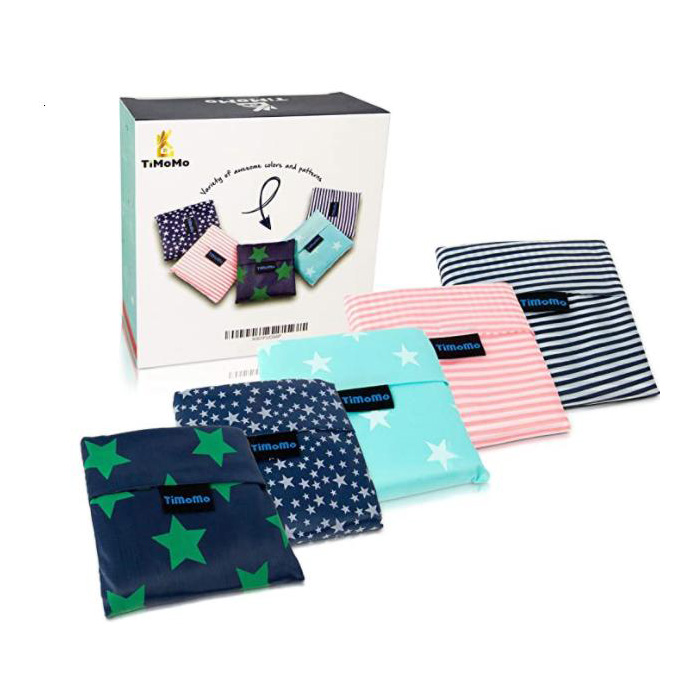
Why Does an Ordinary Shopping Bag Fail to Deliver Real Value?
Many businesses underestimate the impact of poor packaging. I have encountered stores dealing with torn handles, faded prints, and inconsistent sizing that disrupts logistics. These issues may seem minor, yet they directly affect customer trust and operational efficiency.
- Handles that break under moderate weight
- Low-quality printing that weakens brand image
- Non-recyclable materials that conflict with sustainability goals
- Inconsistent dimensions that complicate storage and shipping
- Short lifespan leading to repeated purchasing costs
When a Shopping Bag fails, it reflects on the brand. Customers rarely separate packaging quality from product quality.
How Can the Right Shopping Bag Strengthen Brand Perception?
I always encourage clients to see their Shopping Bag as a mobile advertisement. Every customer who walks out of a store becomes a brand ambassador. Design, texture, and structure all communicate subtle but powerful messages.
| Feature | Business Impact | Customer Experience |
| Reinforced Handles | Reduced replacement frequency | Confidence when carrying heavier items |
| High-Resolution Printing | Stronger brand visibility | Premium visual appeal |
| Eco-Friendly Materials | Compliance with local regulations | Positive environmental perception |
| Custom Sizing Options | Optimized storage and logistics | Better fit for purchased goods |
From my experience, retailers who upgrade their Shopping Bag design often notice improved brand recall. Customers are more likely to reuse a durable bag, extending brand exposure beyond the initial purchase.
What Materials and Construction Truly Matter for Long-Term Performance?
Choosing the right material is not just about cost per unit. It is about lifecycle value. Depending on retail positioning, different materials can serve different purposes:
- Non-woven polypropylene for lightweight durability
- Laminated woven fabric for enhanced load-bearing strength
- Recyclable paper for eco-conscious retail environments
- Custom composite materials for high-end brand presentation
I always evaluate three performance factors when selecting a Shopping Bag solution:
- Load capacity under real-world conditions
- Resistance to moisture and repeated use
- Print stability after friction and folding
A reliable manufacturer ensures quality control at each stage, from raw material sourcing to stitching and printing alignment. This is where long-term cooperation truly reduces risk.
Can a Shopping Bag Actually Reduce Operational Costs?
At first glance, premium bags appear more expensive. However, when I calculate total ownership cost, the picture changes. A higher-quality Shopping Bag reduces replacement frequency, minimizes customer complaints, and supports consistent branding.
| Cost Factor | Low-Quality Bag | Optimized Shopping Bag |
| Replacement Rate | High | Low |
| Customer Complaints | Frequent | Minimal |
| Brand Exposure Duration | Short-term | Long-term reuse |
| Logistics Efficiency | Inconsistent sizing | Standardized and optimized |
When I review procurement strategies with clients, I often find that investing in a durable Shopping Bag leads to more predictable budgeting and fewer emergency reorders.
How Does Customization Support Market Differentiation?
In competitive retail markets, differentiation matters. A custom Shopping Bag allows brands to:
- Integrate seasonal campaign graphics
- Align color palettes with corporate identity
- Incorporate QR codes or promotional messaging
- Adjust handle types based on product categories
From boutique stores to large supermarket chains, tailored packaging supports consistent storytelling. I have seen businesses strengthen their local presence simply by refining packaging details.
Are You Ready to Upgrade Your Shopping Bag Strategy?
If you are reviewing your current packaging approach, now is the right time to reassess whether your Shopping Bag truly supports your brand, logistics, and sustainability goals. A strategic upgrade can improve customer satisfaction, reduce operational friction, and enhance long-term brand visibility.
I believe packaging should work as hard as the product itself. If you would like to explore customized solutions that match your market positioning and budget expectations, please contact us to discuss your project requirements. Let us help you develop a Shopping Bag solution that delivers both performance and brand value.