

How Can Dog Food Packaging Bags Help Pet Brands Win Trust and Shelf Attention?
2026-04-01
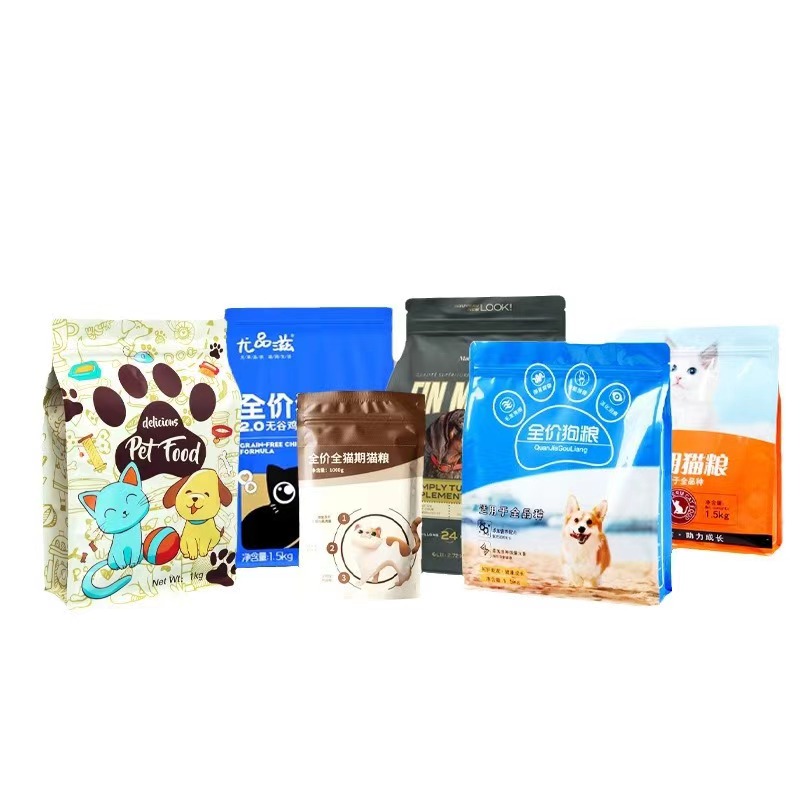
I have seen many pet food sellers spend enormous effort on formulation, sourcing, and branding, only to underestimate one detail that directly affects product freshness and buying decisions: packaging. In my view, the right Dog Food Packaging Bags do much more than hold kibble or treats. They protect flavor, preserve texture, support transportation, strengthen brand presentation, and make daily use easier for pet owners. As I explored practical packaging solutions in this field, Nanyang Jinde Packaging Co., LTD gradually stood out to me as a manufacturer focused on custom structures, barrier performance, and brand-friendly design for modern pet food packaging.
Why Do Pet Food Buyers Care So Much About Packaging?
When I think about the way real customers shop for pet products, I do not see packaging as a secondary concern. I see it as part of the product itself. Pet owners want reassurance. Distributors want consistency. Brand owners want packaging that protects food while also looking professional on crowded shelves and online marketplaces.
That is why Dog Food Packaging Bags matter so much. If a bag fails to block moisture, oxygen, grease, or light, product quality can decline before the customer even opens it. If the zipper is weak or the structure collapses in storage, the user experience suffers. If the printing looks unclear, the package loses credibility. Good packaging solves several problems at once, and that is exactly why buyers pay attention to it.
| Buyer Concern | What Usually Goes Wrong | What Better Packaging Can Do |
|---|---|---|
| Freshness | Food absorbs moisture or loses aroma during storage | Uses higher barrier structures to reduce outside interference |
| Convenience | Bags are difficult to open, reseal, carry, or pour from | Adds zipper closures, better shapes, and user-friendly formats |
| Brand image | Packaging looks generic or poorly printed | Supports custom printing and a cleaner shelf presence |
| Transport safety | Bags tear, leak, or deform during shipping | Improves structure strength and sealing reliability |
| Product matching | One bag style is used for every formula regardless of need | Allows structure selection based on frozen, dry, or cooked products |
What Problems Do Brands Often Face With Pet Food Packaging?
I often notice the same issues repeating across pet food categories. A growing brand may have a good product, but once it enters wholesale channels, cross-border shipping, or e-commerce fulfillment, packaging starts exposing weak points. In practical terms, these are the problems I would try to solve first:
- I want to reduce the risk of moisture, odor loss, and contamination.
- I want the bag to look premium without making the packaging budget unreasonable.
- I want custom printing that keeps product information clear and visually organized.
- I want the package to match the actual food type rather than forcing one structure onto every SKU.
- I want packaging that stays stable from factory filling to warehouse stacking to the customer’s home.
These are not abstract concerns. They affect repeat orders, customer reviews, retailer confidence, and even how premium a brand appears at first glance. Strong Dog Food Packaging Bags can help prevent these issues before they become expensive.
How Do I Evaluate Whether A Packaging Bag Is Actually Suitable For Dog Food?
When I evaluate a dog food bag, I do not start with appearance alone. I start with performance. The first question I ask is whether the material structure matches the food inside. Dry kibble, freeze-dried formulas, meat snacks, and cooked pet food do not all require the same packaging behavior. A suitable bag should reflect the product’s shelf-life target, filling process, transport route, and brand positioning.
Here are the points I would check before choosing a supplier or format:
- Barrier performance against moisture, oxygen, grease, and light
- Food-contact suitability of the selected materials
- Seal integrity during filling, transport, and storage
- Printing clarity for logos, feeding guides, and ingredient panels
- Bag structure options such as flat pouches, stand-up pouches, side gusset bags, or eight-side sealed bags
- Convenience features including zippers, tear notches, and carry-friendly design
- Customization flexibility for size, finish, and branding requirements
Once I look at packaging this way, the conversation changes. I am no longer asking for “just a bag.” I am asking for a packaging solution that protects product value and helps the brand sell better.
Why Can Material Choice Change The Real Performance Of Dog Food Packaging Bags?
In my experience, material selection is where many packaging outcomes are decided. If the structure is too simple, the bag may not provide enough protection. If the material choice is not aligned with the filling process, the result may be poor sealing or unnecessary cost. The most practical approach is to balance protection, appearance, machinability, and price.
For dog food, I generally pay attention to whether the packaging supplier can work with food-grade composite materials and recommend structures based on application rather than guesswork. That matters because different products ask for different strengths. Some formulas need stronger barrier protection. Others need freezer resistance. Others benefit from a natural kraft-paper look while still requiring an inner protective layer.
| Packaging Need | Why It Matters | Suitable Direction |
|---|---|---|
| Dry kibble storage | Needs everyday barrier protection and strong shelf presence | Stand-up or gusseted bag with good sealing and printable surface |
| Premium freshness retention | Helps preserve aroma and product stability | Higher barrier multilayer structures |
| Frozen dog food | Requires packaging that performs in cold storage | Vacuum-friendly and low-temperature resistant formats |
| Cooked pet food | Needs packaging that can support demanding processing conditions | Retort or high-temperature suitable composite structure |
| Eco-minded brand image | Supports more natural shelf communication | Kraft-style outer appearance with functional inner protection |
What Makes Custom Printing So Important For Pet Food Packaging?
I do not think printing is only about making the package look attractive. For dog food, printing carries trust. Buyers want to identify product type, feeding information, storage guidance, and brand identity quickly. If the printed result is messy, the brand looks less reliable no matter how good the food inside may be.
This is one reason I pay attention to suppliers that can support clear, stable, and brand-consistent printing on Dog Food Packaging Bags. A good package should help a product communicate without confusion. It should make the logo recognizable, the nutritional information readable, and the design strong enough to support both offline retail and online product images.
I also like packaging that gives a brand room to differentiate. Matte versus glossy finish, clear windows, stronger color contrast, shaped formats, and premium surface treatment can all influence first impressions. These are not decorative details alone. They can affect click-throughs online and pickup rates in stores.
Which Bag Styles Do I Consider Most Useful For Different Dog Food Products?
I would never force one packaging style onto every product line. Different SKUs deserve different packaging logic. That is especially true in pet food, where the format often needs to match both product protection and brand positioning.
- I like stand-up pouches when brands want a practical shelf-ready format for smaller or medium pack sizes.
- I consider eight-side sealed structures when a product needs a more premium and stable appearance.
- I look at aluminum-foil based solutions when stronger barrier performance is a priority.
- I prefer vacuum-capable formats for frozen or freshness-sensitive applications.
- I consider high-temperature cooking bags when the packaging must support processed wet or cooked pet food.
- I think kraft-style formats work well when a brand wants a natural, eco-conscious visual identity.
- I find shaped bags useful for brands that want stronger shelf distinction and a more memorable presentation.
This is why flexible manufacturing matters. The more options a supplier can offer, the easier it becomes for a brand to align packaging with market strategy rather than settling for a compromise.
Why Do Convenience Features Matter More Than Many Brands Expect?
I think convenience is one of the most underrated parts of pet food packaging. A dog owner may use the bag every day for weeks. If the zipper does not reseal smoothly, if the bag tears unevenly, or if it is awkward to handle, the packaging creates friction in daily life. Small frustrations add up, and they shape how the brand is remembered.
That is why I pay attention to functional details such as:
- Resealable zippers for repeated opening and closing
- Tear notches for easy access
- Stable bottom structures for standing display and storage
- Durable seals to reduce leakage risk
- Portable formats that are easier for households to use and store
In other words, practical packaging can make a premium product feel even more premium. It helps the buyer feel that the brand understands real usage, not just sales presentation.
How Can The Right Supplier Help Me Build A More Competitive Packaging Strategy?
When I choose a packaging partner, I am not only buying manufacturing capacity. I am also buying problem-solving ability. I want a supplier that understands how packaging functions in real commercial environments. That includes material recommendation, structure planning, printing support, production consistency, and delivery coordination.
For that reason, I see value in working with manufacturers that focus on custom flexible packaging and offer a broad pet-food-oriented range. A supplier with experience in multiple bag formats can often provide better guidance on how to match packaging to product type, market tier, and order scale.
I also appreciate suppliers that can support both branding and practical performance at the same time. In the case of Nanyang Jinde Packaging Co., LTD, the company’s product direction clearly points toward custom dog food packaging solutions built around barrier protection, print visibility, and multiple structural options for different pet food needs. That is the kind of support I would look for when trying to scale a product line with more confidence.
What Should I Ask Before Ordering Custom Dog Food Packaging Bags?
Before I place an order, I want to ask better questions than “What is your price?” Price matters, of course, but packaging mistakes are often more expensive than packaging itself. I would rather confirm the fundamentals early than fix avoidable issues later.
- What type of dog food is this bag designed for?
- Which material structure best fits my shelf-life and transport requirements?
- Can the bag support my target closure, shape, and display style?
- How will my artwork print on this specific material and surface finish?
- Can the supplier suggest alternatives for premium, economical, or eco-focused positioning?
- How does the packaging perform for storage, shipping, and repeated home use?
- Can the supplier handle custom sizes, branding, and volume requirements consistently?
When I ask these questions, I usually end up with a much stronger result. The packaging becomes part of the product strategy rather than a rushed afterthought.
Why Do I Believe Better Packaging Leads To Better Brand Retention?
I believe dog food packaging influences retention in ways many companies underestimate. Freshness protection helps preserve the product experience. Better shelf appearance supports stronger first impressions. Clear printing reduces customer hesitation. Convenient design encourages positive repeat use. Together, these details improve how the brand is remembered.
That is why I see Dog Food Packaging Bags as a commercial tool, not just a container. When chosen carefully, they can support product safety, strengthen branding, simplify storage, and improve daily convenience for pet owners. Those benefits are practical, measurable, and directly relevant to sales performance.
Are You Ready To Upgrade Your Dog Food Packaging With A More Practical Custom Solution?
If I were looking for packaging that balances protection, customization, and shelf appeal, I would not settle for generic solutions. I would look for a partner that understands how packaging affects freshness, presentation, and repeat purchase behavior. If your brand is planning to improve its packaging performance or launch a new pet food line, now is a smart time to review your options for Dog Food Packaging Bags. If you want packaging that fits your product and supports your market goals, contact us today to discuss custom sizes, structures, printing, and application needs. A well-designed bag can do more for your product than many brands expect, so send your inquiry and let the next package work harder for your business.