

How Can the Right Cat Litter Bag Help Pet Brands Cut Complaints and Win Repeat Orders?
2026-04-23
When I look at what pet owners complain about most, the pattern is painfully consistent. They do not just talk about the litter itself. They talk about ripped packaging, weak seals, moisture getting in during storage, dust escaping after opening, and bags that are annoying to carry or impossible to reseal. That is exactly why packaging deserves more attention than many brands give it. As I explored the packaging solutions offered by Nanyang Jinde Packaging Co., LTD, I found a useful reminder that a well-designed Cat Litter Bag is not a minor accessory around the product. It is part of the user experience, part of product protection, and part of the brand promise customers remember after the first purchase.
If I am selling cat litter in a competitive market, I need packaging that does more than hold weight. I need it to resist punctures, slow down moisture exposure, support shelf presentation, and make daily use easier for the pet owner. A strong Cat Litter Bag helps me protect product quality, reduce leakage during transport, and present my brand as reliable from warehouse to living room.
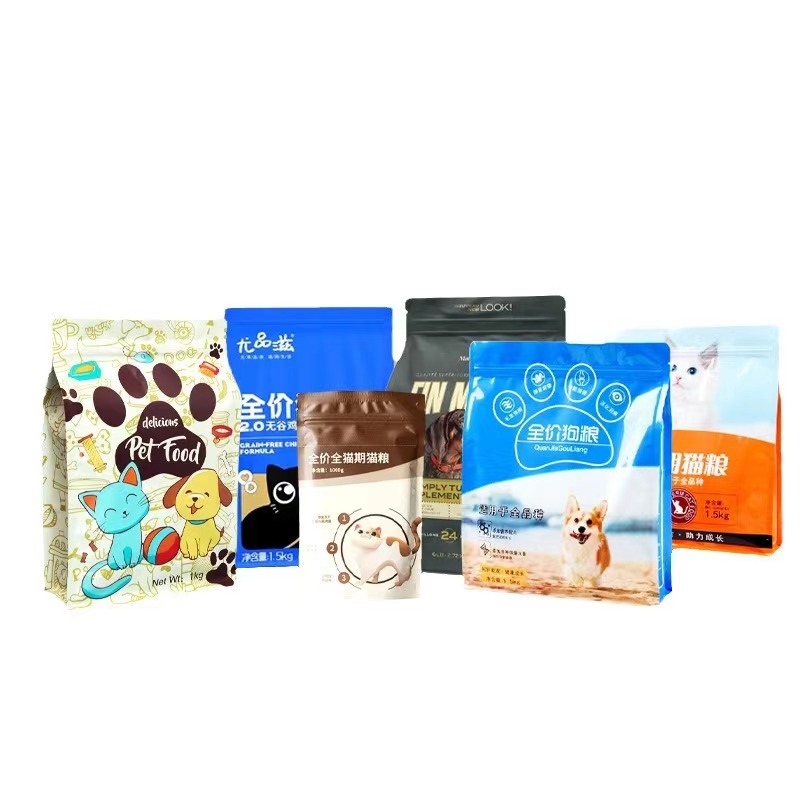
Why Do Buyers Care So Much About a Cat Litter Bag Instead of Only Caring About the Litter?
I have seen many suppliers focus on the fill material and overlook the package, but end users rarely separate the two. If the bag tears while being carried upstairs, the customer blames the product. If the zipper does not close cleanly, the customer blames the product. If the litter absorbs moisture because the barrier is weak, the customer blames the product again. In real buying behavior, packaging performance shapes product reputation.
From a search perspective, this also matters. Buyers looking for packaging solutions are not searching for abstract promises. They want answers to specific operational problems. They search for terms tied to moisture protection, odor control, resealable design, custom printing, shelf-ready packaging, and transport safety. That makes a practical, problem-solving article around Cat Litter Bag solutions much more useful than thin promotional copy.
- I want packaging that protects the litter from moisture during shipping and storage.
- I want a structure that can handle heavy filling without splitting at the bottom seam.
- I want resealable features that make daily use more convenient for pet owners.
- I want custom printing that helps my product stand out on crowded retail shelves.
- I want packaging formats that fit different litter types without sacrificing durability.
What Problems Usually Turn a Good Product into a Bad Customer Experience?
Even when the litter formula performs well, the packaging can quietly damage customer trust. I have seen this happen in retail, in e-commerce, and in distribution channels where handling is rough and expectations are high. A poor bag design creates avoidable friction at every step.
| Common Buyer Pain Point | What Happens in Real Use | Why It Hurts the Brand | What a Better Packaging Choice Solves |
|---|---|---|---|
| Weak sealing | Air and moisture enter after opening | Litter quality feels unstable | Improved closure helps keep contents dry and cleaner to use |
| Low tear resistance | Bag breaks during handling or transport | Returns, complaints, and product loss increase | Stronger film structure reduces damage risk |
| Poor bottom support | Heavy contents stress the bag during storage | Stacking becomes risky and messy | Reinforced construction improves load stability |
| No resealable feature | Users struggle to store opened litter neatly | Daily convenience drops | Zipper or reclose design improves household use |
| Weak barrier performance | Moisture and odor management become harder | Perceived freshness declines | Multi-layer packaging helps preserve product condition |
| Unclear shelf appearance | Brand gets ignored in stores or online listings | Conversion suffers | Custom finishes and print options improve presentation |
How Can I Judge Whether a Cat Litter Bag Is Built for Real-World Handling?
I do not judge packaging only by how it looks on a product page. I judge it by what it can survive. Cat litter is often heavy, abrasive, and sensitive to moisture. That means the right bag should be designed around actual shipping, shelving, and household use instead of decorative claims.
When I evaluate a Cat Litter Bag, I usually look at these points first.
- Material structure so the bag can resist puncture, pressure, and daily handling.
- Barrier performance so the litter stays drier and more stable through storage cycles.
- Seal reliability so opened packaging remains practical instead of becoming a daily annoyance.
- Bag shape so the package stands well, stores cleanly, and supports better display.
- Customization flexibility so the package can match brand identity, fill weight, and retail channel needs.
These details matter because pet owners notice them right away. A bag that opens cleanly, pours better, closes again, and sits neatly in a storage corner feels like a premium choice even before the litter performance is judged in full.
Which Packaging Features Make the Biggest Difference for Moisture Control and Daily Convenience?
In my view, the best packaging features are the ones that solve two problems at the same time. For cat litter, that usually means combining protection with ease of use. A structure that keeps moisture out but is awkward to handle will not satisfy real households. A convenient bag with weak sealing will not protect product quality well enough.
That is why I pay close attention to design choices such as self-standing formats, zipper closures, reinforced edges, and layered films. A well-made Cat Litter Bag can support better warehouse stacking, cleaner shelf display, and smoother use after purchase.
| Feature | Why It Matters | Benefit for Brands | Benefit for End Users |
|---|---|---|---|
| Self-standing structure | Keeps the bag stable during display and storage | Improves shelf presence | Makes the bag easier to place and use at home |
| Resealable zipper | Supports repeated opening and closing | Reduces complaints about messy storage | Helps keep litter better contained after opening |
| Multi-layer barrier | Helps resist moisture and outside exposure | Protects perceived product quality | Supports freshness and cleaner storage conditions |
| Reinforced sealing areas | Improves durability in filling and transport | Lowers breakage-related losses | Creates a more secure carrying experience |
| Custom finish and printing | Strengthens product visibility | Supports branding and market differentiation | Makes product identification easier |
Why Does Customization Matter So Much When I Source a Cat Litter Bag?
If I manage a pet care brand, I know there is no universal packaging format that fits every litter line. Tofu litter, bentonite litter, mixed formulas, and lightweight premium blends do not all behave the same way in storage or transport. The weight range may differ. The channel may differ. A warehouse club pack and a boutique retail pouch should not be treated as identical projects.
Customization matters because I need packaging that reflects how my product is actually sold and used. I may need a matte finish for a premium shelf look, a stronger bottom structure for heavier filling, or a specific size that reduces dead space in outer cartons. I may also need custom artwork, material combinations, or closure styles that match my positioning in the market.
- I can align package dimensions with shipping efficiency.
- I can improve the unboxing and usage experience for pet owners.
- I can create a more recognizable shelf image for my brand.
- I can adapt the package to different litter formulas and market segments.
- I can reduce waste caused by overbuilt or underperforming packaging.
What Should I Ask a Supplier Before I Choose a Packaging Partner?
I would never choose a supplier based only on catalog photos. A serious packaging decision deserves better questions. If I want fewer complaints and stronger repeat purchase potential, I need to know whether the supplier understands product behavior, packaging structure, and commercial realities.
These are the questions I would ask before moving forward.
- Can the packaging structure be adjusted for different litter weights and particle types?
- What closure and barrier options are available for moisture-sensitive applications?
- How does the bag perform during transport, warehousing, and shelf display?
- Can the supplier support custom printing, finish choices, and size development?
- Is the production process stable enough to keep quality consistent from batch to batch?
When a supplier can answer those questions clearly, I feel more confident that I am not just buying film and ink. I am buying packaging that supports product performance, brand image, and long-term customer satisfaction.
How Can a Better Cat Litter Bag Support Search Visibility and Sales Growth?
Good packaging does more than protect the product. It gives me better material for content, stronger differentiation in listings, and more useful selling points in buyer conversations. Search engines reward pages that genuinely answer what buyers want to know. That means topics such as moisture resistance, reseal convenience, heavy-duty structure, and custom packaging options deserve to be explained in depth.
If I build content around real buyer concerns instead of generic praise, I increase the chance of attracting qualified traffic. A well-positioned Cat Litter Bag page or article can target users who are already comparing suppliers, reviewing packaging structures, or looking for ways to improve retail and shipping performance. That traffic is more commercially valuable than broad, vague impressions.
From a conversion standpoint, the logic is simple. Better packaging language helps buyers understand why your solution matters. Better packaging performance helps them stay satisfied after the purchase. When those two pieces work together, the brand earns stronger trust.
What Makes a Packaging Decision Feel Safer for Buyers in a Competitive Pet Market?
If I am buying for a brand, I do not want surprises after production starts. I want a partner that understands practical packaging needs and can help me move from idea to finished bag with fewer risks. That is where a supplier with flexible design capability, clear communication, and strong manufacturing discipline becomes valuable.
A reliable Cat Litter Bag solution is not only about thickness or appearance. It is about whether the package performs under pressure, protects what is inside, and supports the image the brand wants to project. When those needs are handled well, the packaging stops being a weak point and starts becoming a selling advantage.
If you are looking for packaging that can support product protection, daily convenience, and stronger brand presentation, now is the right time to take the next step. Work with a partner that understands what modern pet care buyers expect from packaging. Contact us to discuss your next Cat Litter Bag project, request a custom solution, or send your specifications for a quotation.