
How Can the Right Paper Box Improve Packaging Performance and Brand Value?
2026-04-20
When I evaluate packaging for retail, gifting, and e-commerce, I do not only look at appearance. I look at protection, customer experience, shipping efficiency, and how easily a brand can adapt packaging to different products. That is why I keep coming back to Zeal X International Limited when discussing practical custom packaging ideas. A well-designed Paper Box is not just an outer shell. It is a tool that helps present products better, reduce avoidable damage, support brand identity, and make daily packing operations more efficient.
Why Does a Paper Box Matter More Than Many Buyers Expect?
Many buyers focus first on product cost, then treat packaging as a late-stage decision. In my experience, that often leads to unnecessary problems. A poor packaging choice can create crushing during transit, wasted storage space, awkward manual packing, and a weak first impression when the customer opens the parcel.
A reliable Paper Box helps solve several of these issues at once. It can improve product presentation, keep items more stable during movement, support custom sizing, and create a cleaner, more professional retail or shipping experience. For brands that need repeatable packaging standards, this matters a great deal.
- I can match structure to product weight and fragility
- I can improve shelf or unboxing presentation with better printing and finishing
- I can reduce empty space by adjusting dimensions more accurately
- I can support a more consistent brand image across multiple SKUs
- I can simplify bulk packing for teams that handle high order volumes
What Problems Can a Custom Paper Box Solve in Real Business Use?
Most packaging decisions become easier when I start from customer pain points instead of only material descriptions. Buyers usually face one or more of the following issues.
| Common Buyer Problem | How the Right Box Design Helps | Business Benefit |
|---|---|---|
| Products shift or get damaged in transit | Stronger board choice and better structural fit improve stability | Lower complaint and replacement risk |
| Packaging looks generic | Custom printing, logo placement, and tailored structure improve presentation | Stronger brand recognition |
| Too much empty internal space | Custom dimensions help reduce unnecessary volume | Better packing efficiency and cleaner appearance |
| Multiple product lines need different packaging formats | Flexible box styles support varied SKU requirements | Easier product line management |
| Manual packing is slow or inconsistent | Practical opening and closing structures improve workflow | Higher operational efficiency |
That is why I do not see a Paper Box as a simple commodity. I see it as a packaging solution that should be selected according to product use, shipping conditions, display needs, and buyer expectations.
Which Features Should I Check Before Choosing a Paper Box Supplier?
Before I move forward with a supplier, I usually compare the packaging solution from several practical angles. Price matters, of course, but it should not be the only filter. A low quote becomes expensive very quickly if the packaging fails during shipment or does not match the product well.
- Can the supplier support custom size, shape, and print requirements?
- Can the box structure be adjusted for retail, shipping, gift, or branded presentation use?
- Does the packaging look neat, rigid, and commercially presentable?
- Can the supplier handle stable bulk production without obvious quality variation?
- Will communication stay clear when artwork, dimensions, and order details become more complex?
These questions matter because packaging rarely exists in isolation. A buyer often needs one supplier to understand brand image, product dimensions, logistics constraints, and delivery timelines at the same time.
How Do Different Paper Box Structures Fit Different Products?
Not every box should be built the same way. I usually recommend choosing structure according to product category and the customer experience you want to create.
| Box Style | Best Use | Main Advantage |
|---|---|---|
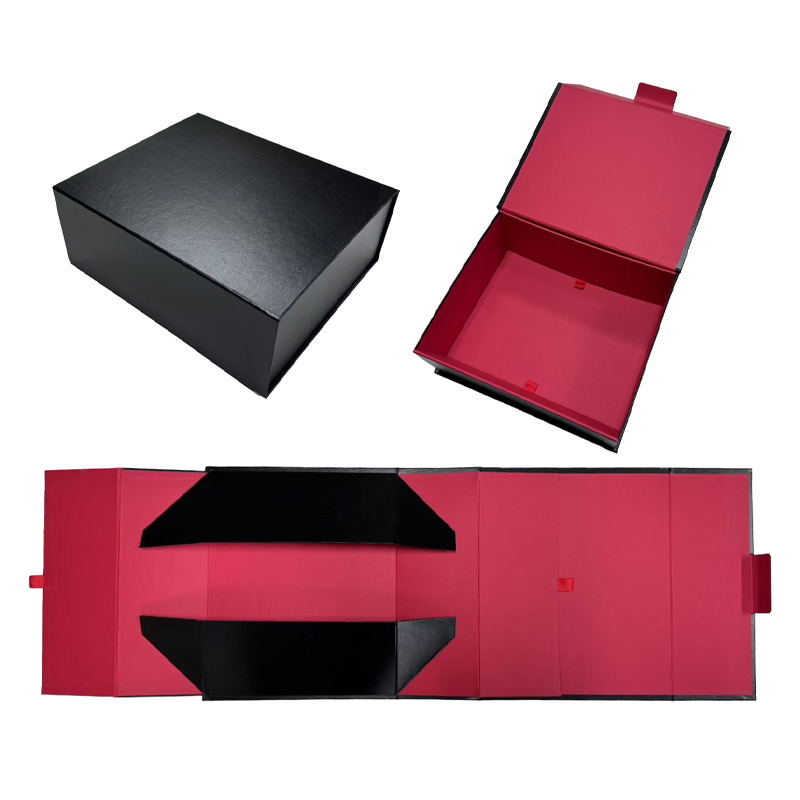
| Foldable Box | Bulk orders, efficient storage, apparel, shoes | Saves storage space and remains practical for shipping |
| Lid and Base Box | Gift products, premium presentation | Clean opening experience and more upscale look |
| Drawer Box | Jewelry, accessories, boutique items | Smooth presentation and organized product access |
| Magnetic Box | Luxury packaging, branded gifting | Stronger premium feel and secure closure |
| Mailer Box | E-commerce shipments, direct-to-consumer orders | Good balance between protection and branding |
When I compare these formats, I do not ask which one is universally best. I ask which one supports the actual product journey most effectively. That shift in thinking usually leads to a better buying decision.
What Makes a Paper Box Better for Branding as Well as Protection?
Good packaging needs to do two jobs at the same time. First, it has to protect the product well enough for handling, warehousing, and transport. Second, it should communicate brand quality before the customer even touches the item itself.
That is where details start to matter. Surface finish, print clarity, logo placement, opening style, and structural neatness all shape the final impression. If the box feels flimsy, oversized, or visually careless, the product inside can seem less valuable even when the product quality is fine.
I have found that a well-planned Paper Box can support:
- A more professional first impression
- A cleaner unboxing process
- Better visual consistency across collections
- More memorable packaging for gifts or branded shipments
- Stronger perceived value without relying on exaggerated design
Why Is Customization So Important for Modern Packaging Buyers?
Very few brands sell only one product in one size through one channel. Some sell online, some sell in stores, some handle wholesale distribution, and many do all three. Because of that, standard one-size packaging often creates unnecessary compromise.
I prefer a packaging approach that allows room for practical customization. That includes dimensions, shape, internal fit, artwork, logo printing, and the opening or closing method. A custom Paper Box gives me more control over how the product is packed, displayed, shipped, and remembered.
Customization is not just about appearance. It is also about workflow. The right size can reduce waste. The right structure can speed up packing. The right print layout can make the brand look more established. Small improvements in each area add up over large order volumes.
Is Sustainable Packaging Still a Strong Buying Factor?
Yes, but only when sustainability also works in practice. Buyers do not want packaging that sounds responsible but performs poorly. They want materials and structures that support both environmental goals and real operational needs.
That is one reason paper-based packaging continues to attract attention. A thoughtfully made Paper Box can align better with brands that want a cleaner packaging image while still needing dependable structure, print flexibility, and broad product compatibility.
In my view, the most effective packaging choice is not the one with the loudest environmental message. It is the one that combines useful performance, sensible material selection, and a design that fits the brand honestly.
How Can I Decide Whether a Paper Box Is Right for My Product Line?
I usually make that decision by reviewing four things together rather than separately.
- What level of protection does the product need during shipping and handling?
- What kind of presentation does the brand want at the point of delivery or display?
- How much flexibility is needed for sizing, printing, and order variation?
- How important are storage efficiency and packing speed for the business?
If the answer involves product protection, branding, custom dimensions, and a cleaner customer experience, then a Paper Box is usually a very strong option. It gives me a practical balance between structure, appearance, and adaptability without making the packaging decision unnecessarily complicated.
What Should I Do Next If I Want a Better Packaging Solution?
If you are comparing packaging options for retail, gifting, or e-commerce, this is a good time to review whether your current box actually supports your product and your brand. The right structure, size, and print plan can improve presentation, reduce avoidable issues, and help your packaging work harder for your business. If you are looking for a custom Paper Box solution that fits real commercial needs, now is the right moment to move forward. Contact us today to discuss your packaging project, request more details, or send your inquiry for a tailored solution.