

How Does a Serrated Anti-Rust Bag Protect Your Valuables?
2026-03-23
Article Summary
Serrated anti-rust bags are specialized packaging solutions designed to prevent corrosion and extend the lifespan of metal and sensitive items. This article explains how serrated anti-rust bags work, their key features, advantages over traditional packaging, and practical considerations for choosing the right type. With structured insights, tables, this guide helps businesses and individuals protect valuable equipment from rust and environmental damage.
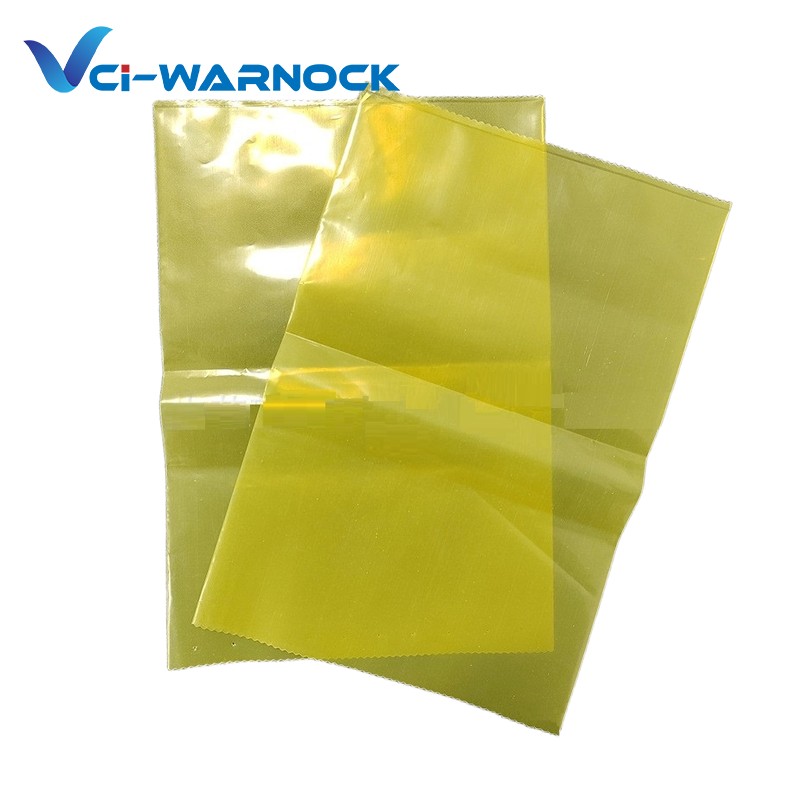
Table of Contents
- 1. What Is a Serrated Anti-Rust Bag?
- 2. How Do Serrated Anti-Rust Bags Work?
- 3. Benefits of Using Serrated Anti-Rust Bags
- 4. Key Features and Specifications
- 5. Types of Serrated Anti-Rust Bags
- 6. How to Choose the Right Anti-Rust Bag
- 7. Storage and Handling Tips
- 8. Frequently Asked Questions
- 9. Conclusion
1. What Is a Serrated Anti-Rust Bag?
A serrated anti-rust bag is a corrosion-resistant packaging solution specifically designed for metal products and other items prone to oxidation. Unlike regular bags, serrated anti-rust bags contain special materials and coatings that absorb moisture, neutralize corrosive agents, and create a protective micro-environment around the stored item.
These bags are commonly used in manufacturing, shipping, storage, and maintenance applications where metal tools, automotive parts, and machinery components need reliable rust prevention.
2. How Do Serrated Anti-Rust Bags Work?
Serrated anti-rust bags work through a combination of chemical and physical mechanisms that inhibit corrosion. Key components include:
- VCI (Volatile Corrosion Inhibitor) Compounds: Release molecules that form a protective layer on metal surfaces.
- Moisture Absorption: Serrated edges help improve air circulation and reduce condensation inside the bag.
- Barrier Protection: Polyethylene or kraft paper layers prevent external humidity, oxygen, and contaminants from reaching the item.
The serrated design ensures easy sealing and handling, while enhancing the bag's overall structural integrity for storage and shipping.
3. Benefits of Using Serrated Anti-Rust Bags
- Enhanced Corrosion Protection: Prevent rust, oxidation, and pitting on sensitive metals.
- Cost Savings: Reduce maintenance and replacement expenses for machinery and tools.
- Improved Storage Lifespan: Protect items during long-term storage or transit.
- Environmentally Friendly: Some bags use biodegradable or recyclable materials while maintaining protection performance.
- Ease of Use: Serrated edges simplify cutting, opening, and sealing.
4. Key Features and Specifications
| Feature | Description |
| Material | Polyethylene, kraft paper, or laminated VCI film |
| Serrated Edges | Easy handling and secure sealing |
| VCI Content | Active corrosion inhibitors embedded in the film |
| Thickness | Varies from 50 to 200 microns based on application |
| Dimensions | Customizable to fit tools, parts, or equipment |
| Storage Life | Typically 12–36 months depending on environmental conditions |
| Color Options | Transparent, amber, or kraft brown |
VCI-WARNOCK offers serrated anti-rust bags with reliable performance, precise manufacturing, and a variety of sizes suitable for industrial and personal use.
5. Types of Serrated Anti-Rust Bags
- Standard VCI Bags: For general rust prevention of metal parts.
- Heavy-Duty VCI Bags: Thick material for large machinery components.
- Custom Printed Bags: With company branding or labeling for shipping and identification.
- Biodegradable VCI Bags: Eco-friendly option for temporary storage or transport.
6. How to Choose the Right Anti-Rust Bag
Choosing the correct serrated anti-rust bag requires considering multiple factors:
- Type of Metal: Ferrous metals require stronger protection than non-ferrous metals.
- Storage Duration: Longer storage periods require higher-quality VCI content.
- Environment: High humidity or salty conditions need enhanced barrier layers.
- Size and Shape: Select bags that fit items snugly to minimize air pockets.
- Regulatory Compliance: Ensure the bag materials meet industry standards for safety and chemical handling.
7. Storage and Handling Tips
- Store bags in a dry, cool area to maximize VCI effectiveness.
- Avoid puncturing or tearing the bag, as this can reduce protection.
- Use serrated edges carefully to prevent accidental damage to items.
- For long-term storage, replace VCI bags every 12–24 months for optimal corrosion prevention.
8. Frequently Asked Questions
Q1: Can serrated anti-rust bags be reused?
Yes, bags can often be reused if they remain intact and uncontaminated. However, the effectiveness of the VCI may decrease with time.
Q2: Are these bags safe for all metal types?
Most VCI bags are compatible with ferrous and non-ferrous metals, but it is recommended to check specific material compatibility.
Q3: How long can items stay protected inside these bags?
Under proper storage conditions, protection typically lasts 12–36 months depending on VCI concentration and environmental factors.
Q4: Do serrated anti-rust bags work in high humidity environments?
Yes, these bags are specifically designed to absorb moisture and neutralize corrosive agents, making them effective in humid or coastal areas.
9. Conclusion
Serrated anti-rust bags provide an efficient, cost-effective, and reliable method for preventing corrosion of metal items during storage and transit. By choosing the right bag and following proper handling practices, businesses and individuals can protect valuable equipment, tools, and machinery from rust and environmental damage.
VCI-WARNOCK offers high-quality serrated anti-rust bags tailored for industrial, commercial, and personal applications, ensuring superior protection and long-term durability.
If you want to safeguard your products against rust and enhance their lifespan, contact us today to explore our range of serrated anti-rust bags and receive expert guidance on the most suitable solutions for your needs.