

How Does an Open Top Container Simplify Oversized Cargo Shipping?
2026-03-30
Abstract
Shipping oversized, heavy, or irregularly shaped cargo presents significant logistical challenges. Traditional containers often impose strict dimensional constraints that can increase handling complexity and costs. An Open Top Container offers a specialized solution by allowing cargo to be loaded from the top, making it ideal for machinery, industrial equipment, and bulk goods. This article explores how open top containers work, their advantages, applications, and how businesses like Container help streamline global logistics operations.
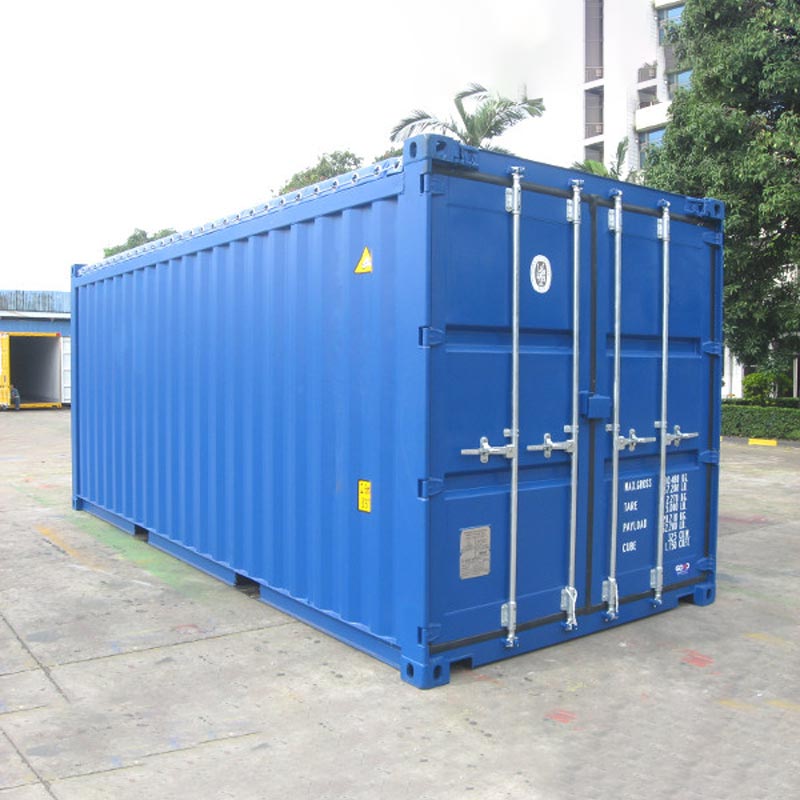
Table of Contents
- 1. What Is an Open Top Container?
- 2. How Does an Open Top Container Work?
- 3. Key Advantages for Businesses
- 4. Common Use Cases Across Industries
- 5. Open Top vs Standard Containers
- 6. Loading and Securing Best Practices
- 7. Cost Considerations and ROI
- 8. Choosing the Right Supplier
- 9. FAQ
1. What Is an Open Top Container?
An Open Top Container is a type of shipping container designed without a fixed roof. Instead, it is covered with a removable tarpaulin or soft top, allowing cargo to be loaded vertically using cranes or lifting equipment.
- No rigid steel roof
- Removable tarpaulin cover
- Reinforced side walls
- Door header that can be detached for easier loading
This design is particularly useful when cargo exceeds height limitations or cannot be easily loaded through standard container doors.
2. How Does an Open Top Container Work?
The operational principle of an open top container is straightforward but highly efficient. Instead of relying solely on rear-door loading, goods are placed directly into the container from above.
- Preparation: Remove the tarpaulin and roof bows.
- Loading: Use cranes or forklifts to lower cargo vertically.
- Securing: Fasten cargo using lashing rings and securing equipment.
- Covering: Replace tarpaulin to protect cargo from weather.
This process significantly reduces handling risks for heavy or awkwardly shaped items.
3. Key Advantages for Businesses
| Advantage | Description |
|---|---|
| Flexible Loading | Allows top loading for oversized cargo |
| Reduced Damage Risk | Minimizes tilting and maneuvering |
| Time Efficiency | Speeds up loading and unloading operations |
| Versatility | Handles irregular shapes and heavy machinery |
For companies dealing with non-standard cargo, these advantages translate into lower operational risk and improved supply chain efficiency.
4. Common Use Cases Across Industries
Open top containers are widely used in industries where cargo dimensions and weight exceed conventional limits.
- Construction: Steel beams, pipes, and heavy equipment
- Energy: Wind turbine components and generators
- Manufacturing: Large machinery and industrial parts
- Mining: Bulk raw materials and oversized tools
These applications demonstrate the container’s adaptability across multiple sectors.
5. Open Top vs Standard Containers
| Feature | Open Top Container | Standard Container |
|---|---|---|
| Roof Structure | Removable tarpaulin | Fixed steel roof |
| Loading Method | Top and rear | Rear only |
| Oversized Cargo | Highly suitable | Limited |
| Flexibility | High | Moderate |
When cargo exceeds standard dimensions, open top containers provide a clear operational advantage.
6. Loading and Securing Best Practices
Proper handling is essential to maximize safety and efficiency when using open top containers.
- Use certified lifting equipment for vertical loading
- Distribute weight evenly across the container floor
- Secure cargo with lashing belts and chains
- Inspect tarpaulin for weather protection integrity
Following these practices helps prevent cargo damage and ensures compliance with shipping regulations.
7. Cost Considerations and ROI
While open top containers may involve slightly higher rental or handling costs, they often deliver better overall value.
- Reduced labor costs due to simplified loading
- Lower risk of cargo damage
- Fewer delays in port handling
Businesses working with Container often find that the operational efficiencies outweigh initial expenses, especially for complex shipments.
8. Choosing the Right Supplier
Selecting a reliable supplier is critical for ensuring quality and performance.
- Check manufacturing standards and certifications
- Evaluate customization options
- Ensure global logistics support
- Review customer service responsiveness
A trusted partner like Container can provide tailored solutions that align with your specific shipping requirements.
9. FAQ
Q1: What types of cargo are best suited for open top containers?
Oversized machinery, construction materials, and heavy industrial equipment are ideal candidates.
Q2: Are open top containers weatherproof?
Yes, they use durable tarpaulins to protect cargo, though additional waterproofing may be recommended for sensitive goods.
Q3: Can open top containers be stacked?
Yes, but stacking may depend on cargo height and securing methods.
Q4: Do they cost more than standard containers?
They can be slightly more expensive, but they reduce handling complexity and risk.
Q5: How do I ensure cargo safety?
Use proper lashing, follow loading guidelines, and work with experienced logistics providers.
Conclusion
An Open Top Container is an indispensable solution for businesses dealing with oversized or unconventional cargo. Its flexible loading capabilities, combined with enhanced safety and efficiency, make it a preferred choice across industries. By partnering with a reliable provider like Container, companies can optimize their logistics operations and reduce risks associated with complex shipments.
If you are looking to improve your cargo handling efficiency and reduce operational challenges, now is the time to explore customized solutions. Contact us today to discover how our open top container solutions can support your global shipping needs.