
How Does Low Pressure Die Casting Improve Metal Casting Quality and Production Efficiency?
2026-07-21
Article Summary
Low Pressure Die Casting is an advanced metal forming process that helps manufacturers produce high-quality aluminum and alloy components with excellent dimensional accuracy, improved mechanical properties, and reduced material waste. Unlike traditional casting methods, this technology uses controlled pressure to push molten metal smoothly into a mold cavity, reducing defects such as porosity, shrinkage, and incomplete filling.
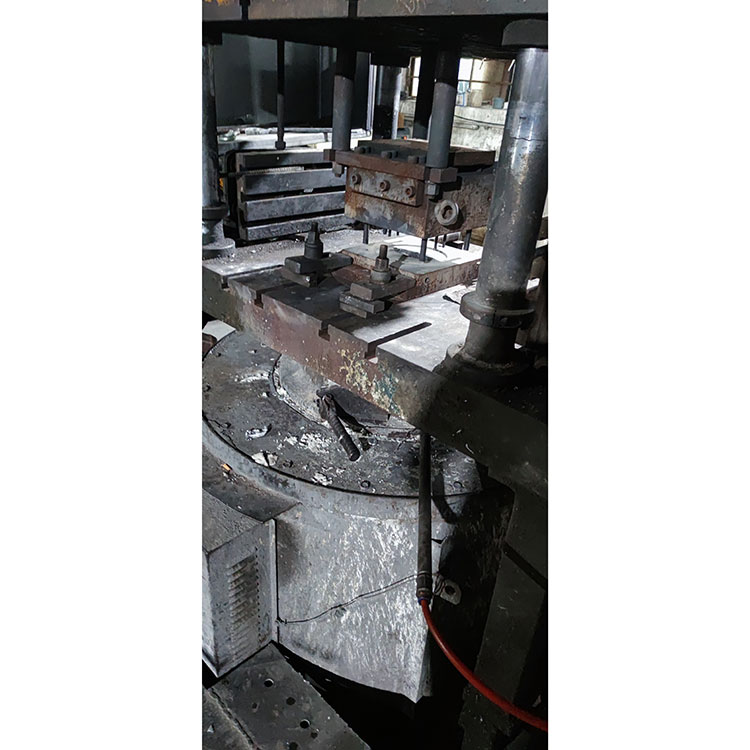
For industries including automotive, machinery, electrical equipment, and industrial components, choosing the right casting method directly affects product performance, production costs, and delivery efficiency. This article explains how Low Pressure Die Casting works, why manufacturers choose this process, common challenges, and how professional suppliers such as Ningbo Yinzhou Xuxing Machinery Co.,Ltd. help customers achieve reliable casting solutions.
Table of Contents
- 1. What Is Low Pressure Die Casting?
- 2. How Does Low Pressure Die Casting Work?
- 3. What Are the Main Advantages of Low Pressure Die Casting?
- 4. Where Is Low Pressure Die Casting Used?
- 5. Low Pressure Die Casting vs Other Casting Methods
- 6. Common Challenges and Solutions in Low Pressure Die Casting
- 7. Why Choose Ningbo Yinzhou Xuxing Machinery Co.,Ltd.?
- 8. Frequently Asked Questions About Low Pressure Die Casting
What Is Low Pressure Die Casting?
Low Pressure Die Casting is a manufacturing process where molten metal is transferred into a mold cavity under controlled low-pressure conditions. The pressure is applied from the bottom of the furnace, allowing the liquid metal to flow upward through a filling tube into the mold.
This controlled filling method provides a stable and smooth metal flow compared with gravity casting. Because the molten material enters the mold gradually, the process minimizes turbulence and reduces the possibility of air entrapment. As a result, manufacturers can achieve stronger cast parts with better surface quality and more consistent dimensions.
The process is especially suitable for aluminum alloys because aluminum components require a combination of lightweight design, strength, corrosion resistance, and precision manufacturing.
| Feature | Description |
|---|---|
| Casting Method | Molten metal enters the mold under controlled low pressure |
| Common Materials | Aluminum alloys, magnesium alloys, and other non-ferrous metals |
| Main Benefit | Improved filling control and reduced casting defects |
| Typical Applications | Automotive parts, industrial components, machinery housings |
How Does Low Pressure Die Casting Work?
The Low Pressure Die Casting process involves several carefully controlled steps. Each stage affects the final quality of the casting, making process management essential for consistent production.
-
Molten Metal Preparation:
The selected alloy is heated until it reaches the required melting temperature. The metal composition is carefully controlled to ensure stable mechanical performance.
-
Mold Preparation:
A specially designed mold is cleaned, assembled, and preheated before casting begins. Proper mold temperature management helps improve filling performance and surface finish.
-
Low-Pressure Filling:
Compressed air or gas applies controlled pressure to the furnace. The molten metal rises through the feeding tube and enters the mold cavity smoothly.
-
Solidification Control:
The pressure remains stable during cooling, helping compensate for metal shrinkage and improving internal density.
-
Part Removal and Inspection:
After solidification, the casting is removed from the mold and inspected for dimensional accuracy, surface quality, and structural integrity.
What Are the Main Advantages of Low Pressure Die Casting?
Manufacturers select Low Pressure Die Casting because it offers a balance between quality, efficiency, and production reliability. Compared with many conventional casting techniques, it provides several important advantages.
| Advantage | Customer Benefit |
|---|---|
| Excellent Dimensional Accuracy | Reduces machining requirements and improves assembly performance |
| Lower Porosity Risk | Creates stronger components with improved durability |
| Better Material Utilization | Reduces waste and lowers production costs |
| Stable Production Quality | Supports consistent results during mass manufacturing |
| Complex Shape Capability | Allows production of detailed and lightweight components |
For companies facing problems such as inconsistent casting quality, high scrap rates, or expensive secondary processing, Low Pressure Die Casting provides an effective solution by improving process control from metal filling to final solidification.
Where Is Low Pressure Die Casting Used?
Low Pressure Die Casting is widely used in industries that require reliable metal components with high strength and precision. Typical applications include:
- Automotive Industry: Engine components, wheels, transmission housings, and structural parts.
- Industrial Equipment: Machine frames, pump bodies, motor housings, and mechanical components.
- Electrical Equipment: Aluminum enclosures, heat dissipation parts, and protective housings.
- Transportation: Lightweight components used in vehicles and specialized equipment.
- Consumer Products: Durable metal parts requiring attractive appearance and reliability.
Low Pressure Die Casting vs Other Casting Methods
| Comparison | Low Pressure Die Casting | Gravity Casting | High Pressure Die Casting |
|---|---|---|---|
| Filling Control | Excellent | Moderate | High |
| Porosity Control | Very Good | Average | Good |
| Production Efficiency | High | Medium | Very High |
| Component Strength | High | Medium | Medium to High |
| Suitable Products | Precision structural parts | Simple components | Thin-wall mass products |
Although each casting method has its own advantages, Low Pressure Die Casting is often preferred when manufacturers need stronger components with better internal quality and stable production performance.
Common Challenges and Solutions in Low Pressure Die Casting
Even with advanced technology, manufacturers may encounter challenges during casting production. Understanding these issues helps improve efficiency and reduce unexpected costs.
| Common Problem | Possible Cause | Solution |
|---|---|---|
| Air Porosity | Unstable metal flow or poor process control | Optimize filling speed and pressure parameters |
| Surface Defects | Incorrect mold temperature or contamination | Improve mold maintenance and preparation |
| Dimensional Variation | Mold wear or temperature changes | Perform regular inspection and process adjustment |
| Low Production Efficiency | Improper equipment configuration | Select suitable casting systems and automation solutions |
Why Choose Ningbo Yinzhou Xuxing Machinery Co.,Ltd.?
Selecting an experienced manufacturing partner is essential for achieving stable Low Pressure Die Casting results. Ningbo Yinzhou Xuxing Machinery Co.,Ltd. focuses on providing professional casting solutions designed to meet different industrial requirements.
With attention to manufacturing precision, production control, and customer requirements, the company helps clients develop metal components that meet performance expectations. From casting process optimization to customized production support, Ningbo Yinzhou Xuxing Machinery Co.,Ltd. works closely with customers to improve product reliability and manufacturing efficiency.
- Professional experience in metal casting solutions
- Focus on product quality and process stability
- Support for customized casting requirements
- Strict attention to production consistency
- Solutions suitable for various industrial applications
Frequently Asked Questions About Low Pressure Die Casting
What materials can be used in Low Pressure Die Casting?
Low Pressure Die Casting is commonly used for aluminum alloys because they provide excellent lightweight performance and mechanical strength. Other non-ferrous alloys may also be suitable depending on product requirements.
Is Low Pressure Die Casting suitable for mass production?
Yes. This process provides stable production quality and repeatable results, making it suitable for medium and large-volume manufacturing projects.
What defects can Low Pressure Die Casting reduce?
The controlled filling process helps reduce common defects such as air pockets, shrinkage problems, and incomplete mold filling.
How does Low Pressure Die Casting improve product strength?
Maintaining pressure during solidification helps improve metal density and reduces internal weaknesses, resulting in stronger cast components.
How can customers choose the right casting supplier?
Customers should evaluate supplier experience, manufacturing capabilities, quality control systems, customization ability, and technical support before starting a project.
Conclusion
Low Pressure Die Casting provides manufacturers with an effective way to produce high-quality metal components while maintaining efficiency and cost control. Through controlled filling, improved material utilization, and stable production performance, this technology solves many challenges faced by traditional casting methods.
For companies seeking reliable casting solutions, Ningbo Yinzhou Xuxing Machinery Co.,Ltd. provides professional support and customized manufacturing capabilities to help achieve better product performance and production results. If you need high-quality Low Pressure Die Casting solutions for your next project, please contact us today for professional assistance.