

Why Are More Brands Switching to Recycled Self-adhesive Bags for Smarter Packaging?
2026-04-22
When I look at what packaging buyers are dealing with today, the challenge is no longer just finding a bag that seals well. They also need a packaging format that supports efficiency, protects the product, fits brand presentation, and responds to growing sustainability expectations. That is exactly where Zeal X International Limited naturally comes into the conversation. In my view, Recycled Self-adhesive Bags stand out because they help solve several real business problems at once without making the packaging process more complicated.
I have seen many companies struggle with the same questions. How do we reduce unnecessary material waste? How do we keep fulfillment fast? How do we make sure garments, accessories, and lightweight retail goods arrive clean and presentable? How do we move toward more responsible packaging without sacrificing practicality? In many of these cases, Recycled Self-adhesive Bags offer a direct and workable answer.
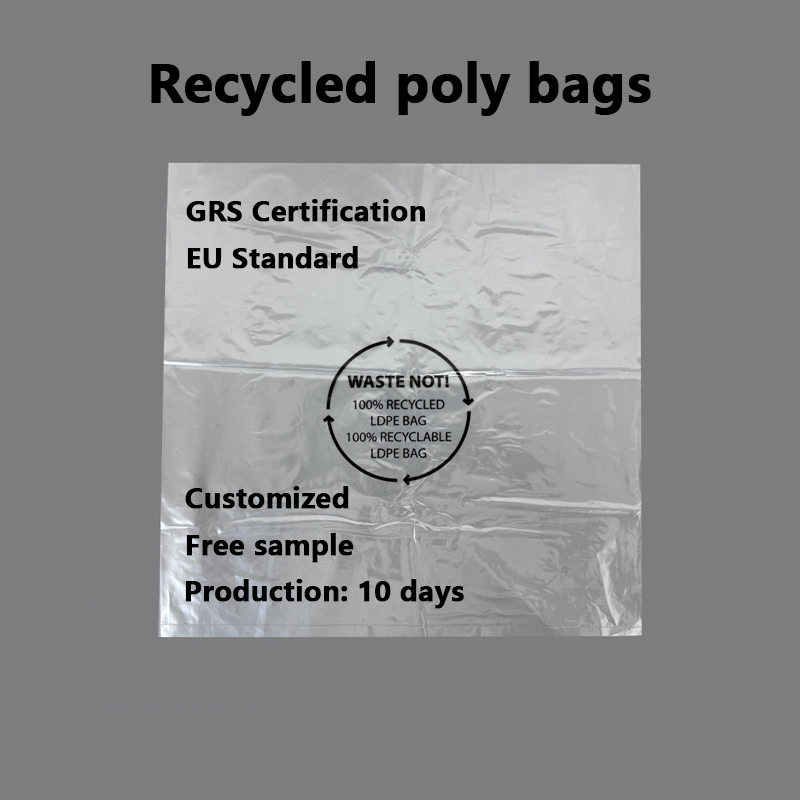
What Problems Do Buyers Usually Face When Choosing Packaging?
I think buyers are rarely looking for packaging in the abstract. They are usually trying to fix something that is already slowing down operations or creating complaints. The most common pain points I notice include the following.
- Packaging takes too long to seal during busy fulfillment periods
- Bags tear too easily during handling, storage, or delivery
- The product inside does not look clean or professional on arrival
- The packaging choice does not align with the brand’s environmental direction
- Privacy, visibility, and presentation needs vary by product type
- Custom packaging options are limited or too rigid for different order sizes
For many apparel brands, online sellers, and retail suppliers, these issues add up quickly. A packaging format may seem simple, but poor bag performance can create extra labor, inconsistent presentation, and preventable replacement costs. That is why I see more decision-makers paying close attention to how Recycled Self-adhesive Bags perform in real working conditions rather than choosing only by unit price.
How Can Recycled Self-adhesive Bags Make Daily Packing More Efficient?
One reason I find this packaging style practical is the built-in closure. A self-adhesive structure removes the need for extra sealing tools in many common packaging workflows. That sounds basic, but it matters a lot on the packing table. When staff can load the item, fold the flap, and close the bag in one smooth process, the whole operation becomes more consistent.
That efficiency is especially useful for businesses handling clothing, accessories, soft goods, printed materials, or other lightweight items that need quick and reliable packaging. Instead of adding tape, separate labels, or additional closure steps, the bag itself already supports the workflow. In my experience, this can help reduce handling time while keeping the final package neat.
I also like the fact that Recycled Self-adhesive Bags can support different packing priorities. Some businesses want easy reopening for returns or repeated access. Others want a closure that signals the package has been opened. That flexibility matters because packaging is rarely one-size-fits-all.
Why Does Material Choice Matter More Than Many Buyers Expect?
Material choice affects far more than appearance. It influences durability, user experience, storage performance, and how confidently a brand can present its packaging policy to customers and partners. When I evaluate packaging, I always ask whether the material helps the business operate better, not just whether it looks acceptable in a sample photo.
With Recycled Self-adhesive Bags, the value comes from combining everyday usability with a more responsible material direction. That combination is important because buyers often feel forced to choose between practicality and sustainability. In reality, packaging performs better when those two goals are considered together from the start.
For brands that want packaging to reflect a more thoughtful purchasing standard, using recycled-content bag solutions can support that message in a visible and operationally useful way. Customers may not study every packaging specification, but they do notice whether a brand’s packaging feels intentional, modern, and aligned with current expectations.
Which Features Should I Check Before I Place a Bulk Order?
When I review packaging options for a business, I do not focus on a single feature. I look at how the bag will perform across the full cycle from packing to storage to delivery to unboxing. These are the points I would check first before committing to volume production.
- Seal strength and closure consistency
- Resistance to tearing during normal handling
- Suitability for the product’s weight and shape
- Transparency or opacity based on display and privacy needs
- Surface quality for branding, labeling, or clean presentation
- Available size customization for different SKUs
- Compatibility with warehouse and e-commerce packing routines
I also recommend thinking beyond the bag itself. A good packaging choice should support the full customer journey. It should be easy for staff to use, suitable for shipping, and visually appropriate when the buyer opens the parcel. That is one of the reasons Recycled Self-adhesive Bags are getting more attention from brands that care about both operations and presentation.
What Is the Real Difference Between Transparent and Opaque Bag Options?
In my opinion, this is one of the most useful decisions to make early because it affects both function and customer experience. Transparent bags work well when fast identification matters. If a warehouse team needs to sort products quickly or a retail environment benefits from visible contents, transparency can save time and reduce picking mistakes.
Opaque bags serve a different purpose. They are more suitable when privacy matters, when the product should remain hidden before opening, or when a cleaner branded appearance is preferred. Neither option is automatically better. The right choice depends on the product category, sales channel, and how the package is meant to be received.
| Packaging Need | Transparent Option | Opaque Option |
|---|---|---|
| Fast product identification | Very suitable | Less suitable |
| Retail or warehouse visibility | Helpful for quick checking | Limited visibility |
| Privacy during delivery | Lower privacy | Better privacy |
| Clean and discreet presentation | Depends on product appearance | Often more controlled visually |
| Customer unboxing surprise | Less concealed | More concealed |
I usually suggest matching the bag finish to the sales scenario rather than simply choosing the cheaper option. That leads to better consistency across fulfillment, branding, and customer satisfaction.
How Do Recycled Self-adhesive Bags Help Protect Product Quality?
Product protection is one of the most overlooked packaging concerns until something goes wrong. Dust, moisture exposure, surface marks, and handling friction may seem minor, but they matter a lot for soft goods and presentation-sensitive items. A customer may forgive a shipping delay more easily than a package that arrives looking careless.
That is why I see Recycled Self-adhesive Bags as useful for more than simple containment. They help maintain order and cleanliness in storage, during internal transport, and throughout shipping preparation. For apparel, accessories, and similar goods, that extra layer of protection supports a more polished delivery result.
When the bag closes securely and holds its shape well during normal use, it reduces the chance of the package looking messy before it even reaches the end customer. For brands trying to improve presentation without overcomplicating their packaging stack, that is a practical benefit.
Why Are Sustainability Goals Changing Packaging Decisions So Quickly?
I think packaging decisions are changing because buyers are being asked tougher questions from more directions. Customers want better packaging choices. Brand teams want materials that support environmental messaging. Procurement teams want packaging that is still efficient and commercially realistic. These pressures are now happening at the same time.
That is why solutions like Recycled Self-adhesive Bags are increasingly relevant. They offer a way to improve packaging strategy without completely redesigning the workflow. A business can continue using a familiar bag format while moving toward a packaging choice that better reflects current expectations around resource use and responsible sourcing.
From a commercial point of view, that matters because transition is easier when the new option still performs well in daily operations. Buyers do not want sustainability language that creates new packing problems. They want packaging that works first and supports broader goals at the same time.
Which Industries Can Benefit Most from This Type of Packaging?
I find that this bag format is especially valuable in industries where lightweight items need protection, speed, and presentable delivery. The product is versatile enough to serve multiple sectors without losing its core value.
| Industry | Typical Use | Main Benefit |
|---|---|---|
| Fashion and apparel | Garments, T-shirts, scarves, accessories | Clean presentation and fast packing |
| Footwear packaging | Shoe accessories, protective bagging, inserts | Orderly storage and handling protection |
| E-commerce retail | Lightweight consumer goods | Efficient fulfillment and consistent sealing |
| Gift and promotional items | Branded giveaways and small retail packs | Neat appearance and simple closure |
| Accessory brands | Belts, socks, small soft goods | Visibility or privacy based on bag style |
What I like here is the balance. The same basic structure can support a wide range of packaging needs while still allowing businesses to choose the size, look, and closure style that best fits their own product line.
What Should I Ask a Supplier Before I Commit?
If I were evaluating a supplier for this type of packaging, I would not stop at material descriptions alone. I would ask practical questions that reveal whether the supplier understands real-world packaging use.
- Can the bag size be customized for my product dimensions?
- Can the appearance be adjusted for clear or opaque presentation needs?
- What closure options are available for repeated opening or tamper-evident use?
- Can the supplier support consistent quality across repeat orders?
- Is the bag suitable for retail packaging, storage, and e-commerce fulfillment?
- Can branding or printing requirements be discussed early in the sampling stage?
I believe these questions matter because good packaging is rarely just a product purchase. It is an operational decision. The supplier should be able to support not only the bag specification itself, but also the broader packaging goals of the business.
How Can the Right Packaging Choice Improve Brand Perception?
Customers notice when packaging feels careless, and they also notice when it feels considered. I have found that even simple packaging can strengthen a brand if it delivers a clean appearance, reliable performance, and a message that makes sense in today’s market. That does not require exaggerated design. It requires consistency.
Recycled Self-adhesive Bags can contribute to that consistency by giving brands a packaging format that is functional, streamlined, and easier to align with modern environmental expectations. When the package protects the item, looks orderly, and supports a more responsible material story, it does more than hold a product. It becomes part of the buying experience.
For growing brands, this matters because packaging is often one of the first physical touchpoints customers remember. If that first impression feels organized and intentional, it supports trust in the product inside.
Why Does a Smarter Packaging Decision Often Start with a Simpler Bag?
I think many buyers overcomplicate packaging strategy because they assume better performance must come from a more complex structure. In reality, the strongest packaging improvements often come from choosing a format that removes friction from everyday work. That is exactly why I see continued value in Recycled Self-adhesive Bags. They combine convenience, product protection, visual flexibility, and a more responsible material approach in one familiar format.
If your brand is trying to improve packaging efficiency, support a more thoughtful sustainability direction, and create a cleaner customer experience, this is the kind of solution worth exploring seriously. If you are comparing packaging options and want a bag format that is easier to use, practical to customize, and better suited to modern packaging expectations, contact us today and leave your inquiry. I would strongly recommend discussing your packaging goals with Zeal X International Limited to find the right custom solution for your business.