

Why Does Choosing the Right Bag and Luggage Leather Matter More Than Most Buyers Expect?
2026-03-09
When I first began evaluating materials for travel goods and fashion accessories, I quickly realized how much the choice of leather determines the final quality of a bag. Over time, my work with suppliers led me to explore manufacturers such as Ningbo Most-Textile Trading Co., Ltd., whose product development focuses heavily on durability and surface consistency. Through this experience, I developed a deeper understanding of how the right Bag and Luggage Leather can dramatically improve both product performance and brand reputation.
For many brands, selecting leather is not simply a sourcing decision. It directly influences product lifespan, customer satisfaction, and even logistics efficiency. In this article, I will share what I have learned about choosing reliable Bag and Luggage Leather, the challenges buyers often face, and the practical criteria that help brands select materials that truly work in real-world production.
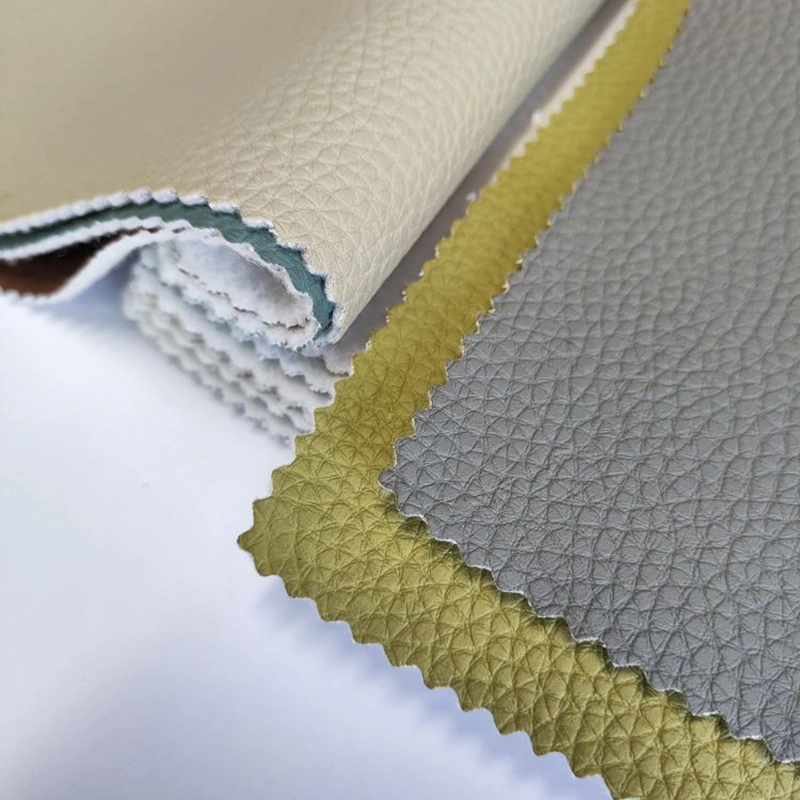
Why Do Many Bag Manufacturers Struggle With Leather Quality?
During conversations with designers, wholesalers, and OEM buyers, I noticed that leather sourcing often becomes a major bottleneck. Even experienced purchasing teams sometimes receive materials that look good in samples but fail during large-scale production.
Several recurring issues appear frequently in the bag manufacturing industry:
- Inconsistent texture between batches
- Poor abrasion resistance during daily use
- Difficulty maintaining shape in luggage structures
- Surface cracking after folding or long-term storage
- Color variation that affects brand consistency
These issues often originate from choosing the wrong type of Bag and Luggage Leather. Materials designed for garments or upholstery may not perform well when applied to travel products that endure friction, pressure, and weather exposure.
What Characteristics Should High Quality Bag and Luggage Leather Actually Have?
When I evaluate leather for travel goods, I focus on a combination of performance features rather than appearance alone. Reliable Bag and Luggage Leather must balance durability, flexibility, and manufacturing compatibility.
| Performance Factor | Why It Matters for Bags and Luggage | What Buyers Should Check |
| Surface Durability | Bags experience frequent friction during travel | Test abrasion resistance and coating stability |
| Structural Strength | Luggage must maintain shape when fully packed | Check tensile strength and thickness consistency |
| Flexibility | Leather should bend without cracking | Perform folding and bending tests |
| Color Stability | Retail brands require consistent appearance | Evaluate dye penetration and color fastness |
| Production Compatibility | Material must work with stitching and molding | Confirm machinability and edge finishing quality |
Manufacturers who specialize in Bag and Luggage Leather usually design their materials with these properties in mind. This specialization often leads to more stable performance in mass production environments.
How Does Specialized Leather Improve Bag Manufacturing Efficiency?
One of the most overlooked advantages of selecting professional Bag and Luggage Leather is improved production efficiency. Factories often report that material consistency directly affects their workflow.
From my experience, better leather materials create several operational benefits:
- Reduced material waste during cutting
- Smoother stitching processes
- More reliable bonding and lamination
- Lower defect rates in final inspection
- Better compatibility with automated production lines
When suppliers like Ningbo Most-Textile Trading Co., Ltd. focus on materials engineered for luggage applications, manufacturers often experience fewer interruptions in the production process. The result is a more predictable supply chain and consistent product quality.
What Makes Modern Bag and Luggage Leather Suitable for Global Markets?
Travel products today must meet the expectations of customers across multiple regions. Buyers are no longer satisfied with leather that simply looks good on store shelves. They want materials that withstand real travel conditions.
Modern Bag and Luggage Leather is often developed with the following goals in mind:
- Resistance to temperature changes during transportation
- Improved water resistance for outdoor environments
- Lightweight construction for airline travel convenience
- Stable surface coatings that maintain appearance over time
- Compatibility with contemporary bag design trends
By focusing on these practical requirements, manufacturers can create materials that support both luxury aesthetics and everyday functionality.
How Can Buyers Identify a Reliable Leather Supplier?
After years of working with bag material suppliers, I have learned that evaluating a supplier involves more than comparing prices. Reliable partners usually demonstrate strong technical support and transparent material specifications.
Here are the criteria I typically use when assessing a leather supplier:
- Experience in producing Bag and Luggage Leather
- Stable supply chain and production capacity
- Ability to customize textures, colors, and thickness
- Consistent batch quality verification
- Technical guidance for product development
Suppliers that invest in material research often provide better long-term value for brands. Instead of solving problems after production, they design materials that prevent those problems from appearing in the first place.
Is the Right Bag and Luggage Leather the Key to Building Better Bags?
Looking back at countless bag manufacturing projects, one lesson stands out clearly. The success of a travel product often begins with the material itself. Choosing dependable Bag and Luggage Leather helps brands maintain quality standards, reduce manufacturing risk, and deliver products that customers trust.
If you are currently sourcing materials for travel bags, backpacks, or luggage collections, working with experienced suppliers can make the entire development process smoother. Teams such as Ningbo Most-Textile Trading Co., Ltd. continue to explore new material technologies that help brands achieve durability, style, and cost efficiency at the same time.
If you would like to learn more about available materials or discuss your specific project requirements, feel free to contact us. Our team is always ready to share product details, provide samples, and help you choose the right Bag and Luggage Leather solution for your next collection.