

Why Does the Right Cat Litter Bag Matter More Than Most Pet Brands Expect?
2026-04-09
If I have learned anything from watching pet brands compete for repeat buyers, it is this: packaging often decides whether a product feels trustworthy before the customer even opens it. That is especially true for Cat Litter Bag solutions, where moisture protection, carrying strength, shelf appeal, and reseal convenience all shape the buying experience. As I looked at how packaging choices affect product performance in the real market, Nanyang Jinde Packaging Co., LTD naturally came into view as a company working in this space with a practical focus on pet packaging needs rather than empty presentation.
I do not think buyers choose cat litter only by formula anymore. They also notice whether the package is easy to carry upstairs, whether it stays sealed after opening, whether the bag tears during handling, and whether it keeps litter dry in storage. A well-made Cat Litter Bag solves these daily frustrations before they become complaints, returns, or poor reviews.
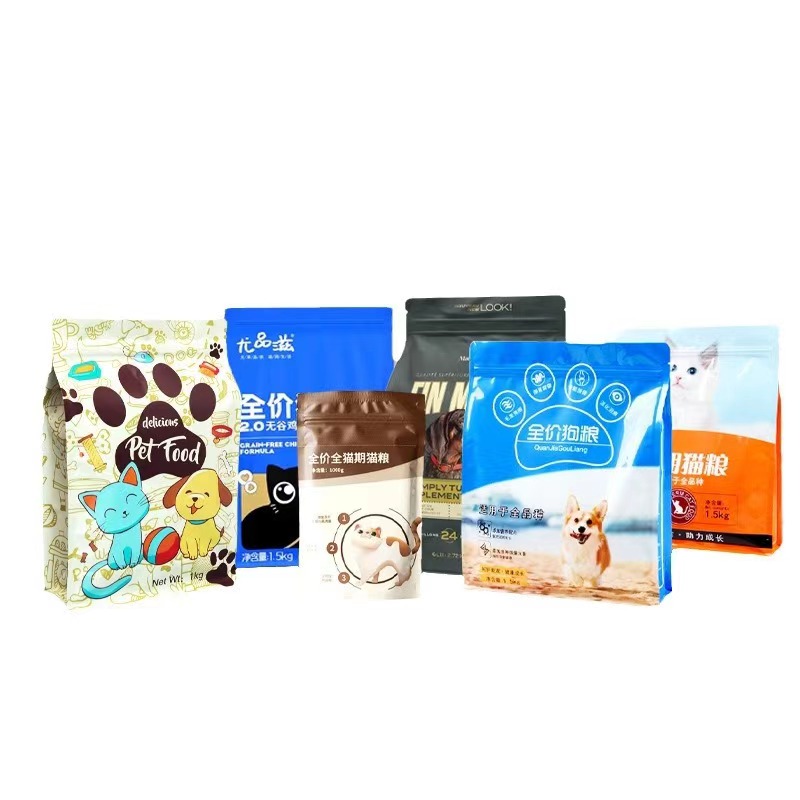
What Problems Do Buyers Usually Face With Poor Cat Litter Packaging?
When I look at customer pain points, the pattern is consistent. People may not use technical packaging language, but they immediately notice the results of weak packaging. If the bag fails in the home, the product feels low-grade no matter how good the litter inside may be.
- Moisture enters the package and reduces product quality
- Fine litter dust leaks from weak seals or damaged corners
- The bag becomes difficult to reseal after first opening
- Handles, side seals, or bottoms fail under heavier filling weights
- The product looks generic on the shelf and struggles to stand out
- Storage becomes messy because the package does not stand well
- Transportation losses increase because of puncture or tear damage
For me, this is why packaging should never be treated as a last-minute purchasing decision. A strong Cat Litter Bag protects not only the litter itself, but also the seller’s reputation, the retailer’s confidence, and the end user’s convenience.
How Can a Better Cat Litter Bag Improve Product Performance in Real Use?
I always prefer packaging that works across the full chain, not just at the factory. That means it should perform during filling, warehousing, shipping, shelf display, home storage, and repeated customer use. In this category, the best packaging is not flashy for the sake of appearance. It is designed to make the product easier to protect, easier to use, and easier to trust.
| Packaging Feature | What It Helps Solve | Why Buyers Notice It |
| Moisture-resistant structure | Helps keep litter dry during storage and transport | Supports cleaner use and more stable product condition |
| Strong side seals and bottom support | Reduces leakage and bag breakage | Builds confidence in heavier pack sizes |
| Resealable zipper | Makes repeated opening and closing easier | Improves convenience for home use |
| Stand-up or structured pouch design | Improves display and storage stability | Makes the product look organized and premium |
| Custom printing area | Supports branding and product communication | Helps products stand out on shelves and online |
| Tear-resistant material choice | Protects against puncture and rough handling | Reduces the risk of messy package failure |
That is why I see packaging as part of the product itself. A reliable Cat Litter Bag supports freshness, cleanliness, and usability at the same time. It gives the brand more room to compete on quality, not just price.
Why Do Moisture Resistance and Sealing Strength Matter So Much?
Cat litter is sensitive to storage conditions in ways many sellers underestimate. If the package allows excess moisture in, the texture, pouring condition, and overall user impression can change fast. Even before the customer uses the litter, a weak package can make the product feel unreliable. That is a costly problem because disappointment begins before performance is even tested.
I think strong sealing matters for another reason too. Pet owners are using these products repeatedly, not once. They want a bag that closes smoothly, stores neatly, and does not leak dust into closets, utility rooms, or apartment corners. When the package handles that part well, the brand feels thoughtful. When it does not, customers remember the inconvenience.
For that reason, I would never treat the zipper, sealing structure, and barrier design as minor details. In the Cat Litter Bag category, they directly affect whether the package feels practical or frustrating from the first week of use.
Which Design Details Help a Cat Litter Package Sell Better?
In my view, the most effective designs are the ones that improve both operations and presentation. A package should look clean on the shelf, remain stable after filling, and still feel convenient once it reaches the home. That balance is where packaging becomes commercially useful instead of merely decorative.
- Wide, stable pouch shapes that stand well on shelves
- Reclosable formats that support multi-use household storage
- Clear front-panel printing for brand identity and product messaging
- Material combinations chosen for durability and barrier performance
- Surface finishes that help position the product as practical or premium
- Sizes customized for different litter types and market channels
These details matter because buyers judge pet products quickly. If the bag looks weak, bulky, messy, or inconvenient, they often assume the product inside is no better. A thoughtfully designed Cat Litter Bag gives the opposite impression. It tells the buyer the brand understands daily use, retail display, and transport realities.
Why Should Pet Brands Care About Custom Packaging Instead of Standard Bags?
I understand why some companies start with generic packaging. It seems simpler, and at first it may look more economical. But the longer I look at brand growth, the more obvious it becomes that standard packaging creates limits. It makes differentiation harder. It gives buyers less reason to remember the product. It also forces the product to fit the bag, rather than letting the bag support the product strategy.
Custom packaging gives brands more control over weight range, structure, closure style, print layout, finish, and storage function. That means a brand can match its packaging to tofu litter, bentonite litter, mixed formulas, premium lines, or export requirements more intelligently. It can also communicate product value more clearly without overcrowding the design.
| Standard Packaging | Custom Packaging |
| Limited differentiation | Supports stronger brand identity |
| May not match exact filling or storage needs | Can be adjusted for product type and weight |
| Basic user experience | Can improve convenience and reseal performance |
| Less flexibility in presentation | Helps brands target different market positions |
| Often price-led competition | Creates more room for value-led selling |
That is why I see a custom Cat Litter Bag not as an added expense, but as a practical business tool. It can help reduce complaints, improve shelf impact, and strengthen how the product is perceived in both retail and online channels.
How Can the Right Supplier Make Packaging Decisions Easier?
I think buyers do not only need a factory. They need a packaging partner that understands where failure usually happens and how design choices affect end use. A good supplier should be able to discuss structure, printing, material matching, weight support, sealing needs, and customization logic in a way that saves time instead of creating confusion.
That matters because packaging projects often stall when communication is vague. One team wants better presentation, another wants lower breakage rates, and another wants easier filling performance. Without practical guidance, decisions become slow and inconsistent. A supplier with category understanding can make the process far more efficient.
- Better alignment between packaging structure and product type
- More useful recommendations for size, closure, and material
- Fewer mistakes in early sampling and production planning
- Stronger consistency between appearance and functional use
- More confidence when preparing products for wholesale or export
For me, that is one reason companies in this field attract attention. When I consider packaging providers like Nanyang Jinde Packaging Co., LTD, I am not only thinking about manufacturing capacity. I am also thinking about whether the supplier can help a brand turn a simple Cat Litter Bag into packaging that works harder in the market.
What Should Buyers Check Before Choosing a Cat Litter Packaging Partner?
I would never recommend choosing only by price. In this category, the cheapest bag can become the most expensive decision once leakage, transport loss, customer dissatisfaction, and repackaging problems begin to appear. It is much smarter to review a supplier using a broader set of criteria.
- Whether the packaging structure fits your litter format and weight
- Whether the bag is designed for moisture protection and repeated handling
- Whether reseal options are practical for real household use
- Whether printing and customization can support your brand position
- Whether the supplier communicates clearly during development
- Whether samples reflect consistent workmanship and seal quality
- Whether the package supports both transport efficiency and shelf presence
These are not abstract concerns. They are the issues that determine whether a packaging order quietly supports growth or creates avoidable problems for months. A dependable Cat Litter Bag should protect product value at every step, from production floor to living room.
Why Is Packaging Becoming a Stronger Selling Point in the Pet Care Market?
Pet owners are more selective than many categories expect. They notice texture, odor control, pouring convenience, cleanliness, and storage ease. As a result, packaging now plays a bigger role in how product quality is judged. A well-designed bag can support trust before product performance is fully experienced, while a poor bag can damage trust immediately.
I also think e-commerce has changed expectations. Online shoppers cannot touch the product before ordering, so they rely more on visual cues, closure features, structural confidence, and presentation quality. Packaging is no longer just a transport layer. It is part of the product story, the listing image, the unboxing moment, and the long-term storage experience.
That is exactly why a serious Cat Litter Bag strategy can help brands compete more effectively. It gives the customer one less reason to hesitate and one more reason to reorder.
How Can You Turn Packaging Into a Better Buying Experience?
If I were advising a pet brand today, I would say this very directly: do not wait until complaints appear before improving your packaging. Start by looking at where customers struggle most. Are they dealing with messy storage, weak resealing, torn bottoms, poor shelf display, or a generic look that blends into every competitor around it? Those are signs that packaging is holding back the product.
A better Cat Litter Bag can help solve those issues while strengthening your brand image at the same time. That is why working with an experienced packaging manufacturer matters. If you want packaging that is more durable, more practical, and better aligned with your market goals, contact us today to discuss your project. The team at Nanyang Jinde Packaging Co., LTD can help you explore custom solutions built for real pet care use, real retail demands, and real customer expectations. Send your inquiry now and let us help you create packaging that supports stronger sales and a better user experience.